Data Loss Prevention (DLP)

Purpose:
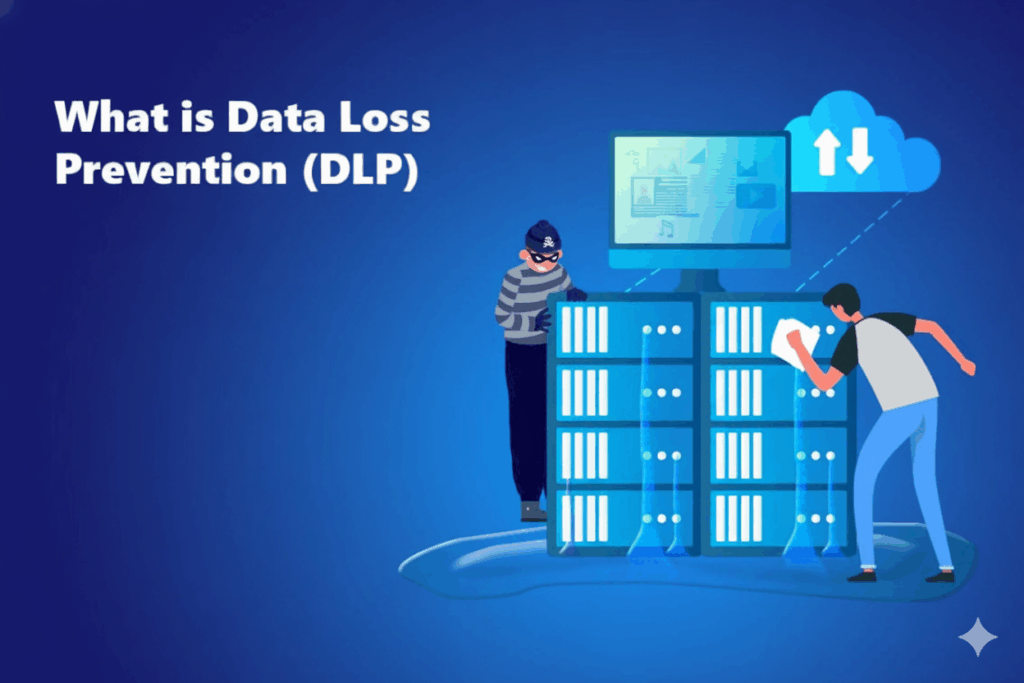
DLP helps protect sensitive data (like customer information, financial details, or intellectual property) from being accidentally or intentionally leaked outside the organization.

How it works from OTQ:

* Monitors and controls data movement across emails, USB devices, cloud storage, and networks.
* Detects and blocks unauthorized sharing or copying of confidential data.
* Ensures compliance with regulations such as GDPR, HIPAA, or ISO 27001.

Endpoint Detection and Response (EDR) & Managed Detection and Response (MDR)

EDR (Endpoint Detection and Response):

Purpose:
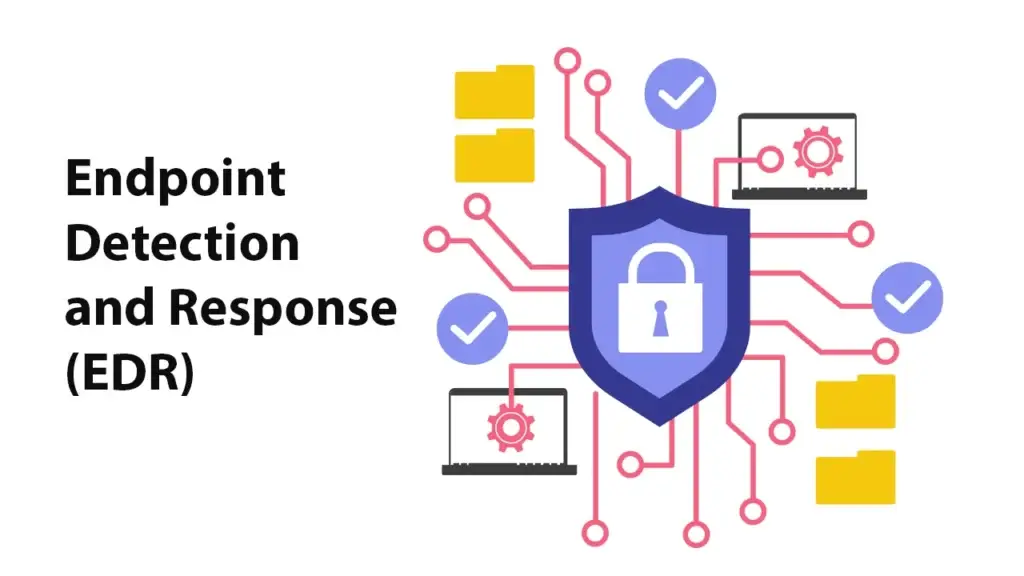
EDR continuously monitors endpoints (like laptops, servers, and mobile devices) to detect, investigate, and respond to cybersecurity threats in real time.

How it works:

* Collects endpoint activity data.
* Detects suspicious behavior (e.g., malware, ransomware, unauthorized access).
* Provides response actions — such as isolating the affected device or removing malicious files.

MDR (Managed Detection and Response):

Purpose:
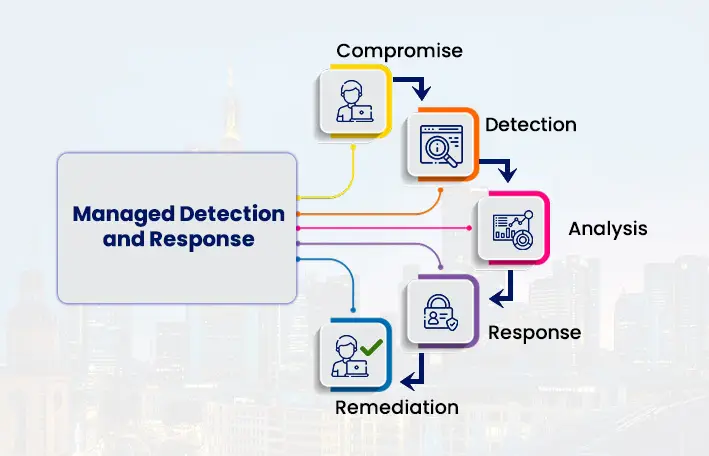
MDR is a fully managed cybersecurity service that combines EDR tools with expert human analysis and 24/7 monitoring.

How it works:

* Security analysts continuously monitor alerts generated by EDR.
* Provides threat hunting, incident analysis, and response support.
* Ideal for organizations that don’t have an in-house security team.

Incident Response Services (IRS)

Purpose:
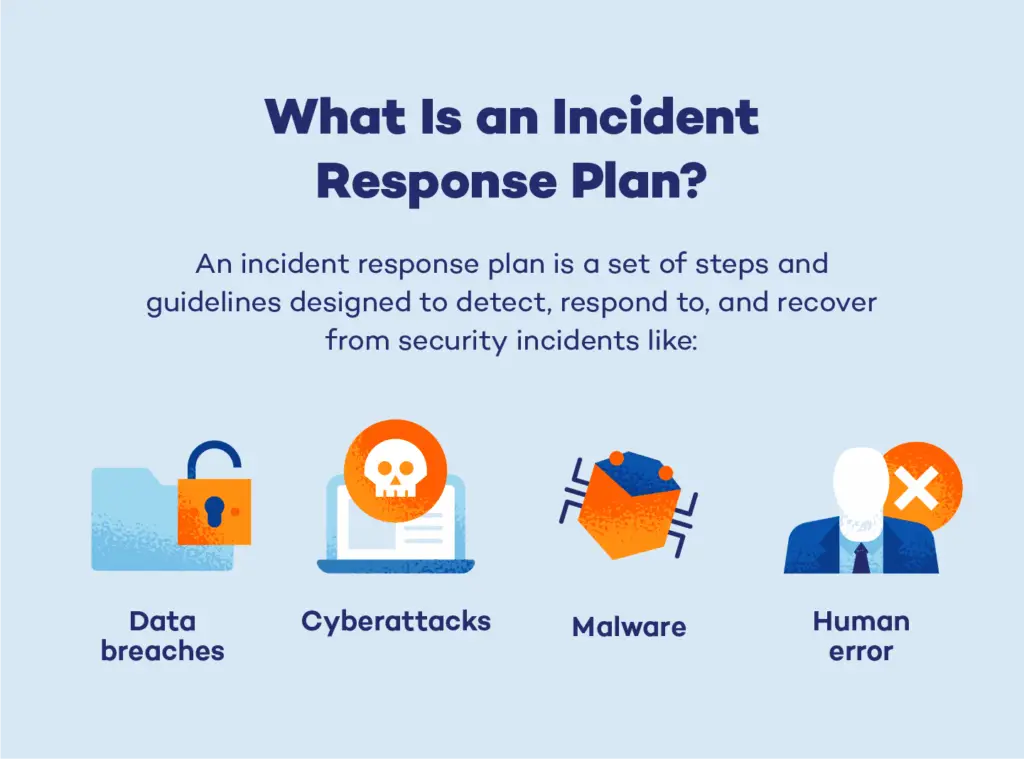
Incident Response Services help organizations quickly respond to and recover from cybersecurity incidents such as breaches, ransomware, or insider attacks.

How it works:

* Immediate triage: Identify and assess the incident’s impact.
* Containment: Stop the attack from spreading.
* Eradication & Recovery: Remove threats and restore systems.
* Post-incident review: Identify root causes and improve security posture.